Part 03 — Events
Outbound Lead Generation, But Make it Fun
Now that our relationships pipeline is set, let's move on to tactics. Which means the next question is: how are you actually going to reconnect with the people you already know and the people you want to meet? How are you going to demonstrate value to potential partners? How can you work on small pilot projects with them to deepen your relationship? Not awkwardly or transactionally. And not randomly but intentionally.
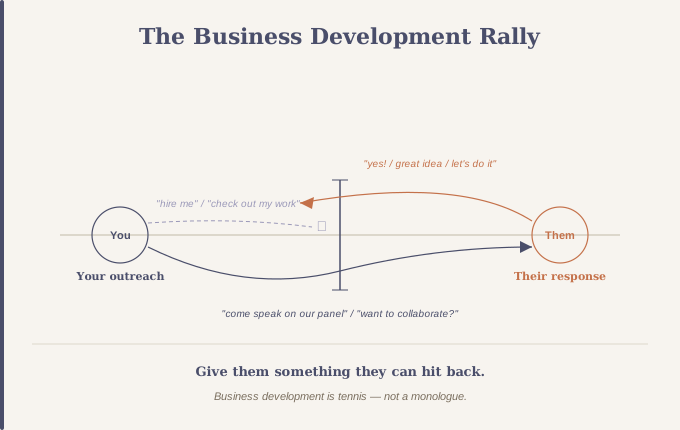
I always go back to the original anecdote – when we wanted to meet another band we didn't send them a cold email and say, "listen to our music", we invited them to play a show together. Remember being a host is better than networking. That is the core of your strategy.
There are many ways to do this and you'll need to find a way that works best for you and your business. But first lets review the reasons why this method is more effective.
- When you are an attendee at someone else's event, it's you trying to get into something that is closed off and competitive. When you are the host, you become the center and the person everyone wants to meet.
- You need an excuse to email someone. When you email and talk about yourself it doesn't give the other person anything to do. When you email and ask someone to speak on a panel or come to an event — you are offering something of value and it becomes very easy to respond and say yes.
- You need a mechanism to offer value and work on pilot projects together that feels authentic and natural. Show don't tell what you can do for partners.
Think of business development as tennis, you have to give the other person something they can hit back.
Now you're ready to get started!
Events are an excellent mechanism for business development. They solve for demonstrating value and working on a pilot project together. It also positions you as the host and a leader in the space.
Remember: you're not hosting to sell. You're hosting to build community, credibility, and reputation. The goal here is access, trust, and future collaboration.
I've included 5 different event types below. Each one solves a specific business challenge and compounds into long-term revenue without outbound sales.
#1 — Industry Convening
This is a good tactic to use when you are looking for category or industry access, you want to reposition your company or you want to move up market and work on brand recognition.
Your objective here is to position yourself as a category leader, not a vendor — and build direct relationships with decision-makers before you ever sell.
Say you want to work with clients in the entertainment industry. Instead of emailing a bunch of entertainment companies sharing your deck and asking for meetings, you host an industry convening event on a timely subject such as, "AI in the Entertainment Industry". Hosting converts these cold contacts into warm peers.
PLAYBOOK
Here's what you do: Use a panel or roundtable discussion format. Start with the industry you want inbound from in the next 6–12 months. Choose an event angle that's the most pressing subject or change in your industry right now. Invite 3–4 industry leaders who you are interested in meeting and working with to speak on the panel. Reach out by saying, "We're convening a small group of leaders shaping X and would love for you to join the conversation." The event should last 60-90 minutes and can be virtual or in-person. Invite your network, ask speakers to invite theirs, and include adjacent communities, partners, prospects, and relevant press.
Here's what happens: You become the host and category convener, which gives you credibility, access and new relationships in the space. You are seen as a leader, and you'll meet the key players you were hoping to meet, plus their networks and others across the industry. Future work opportunities and partnerships should flow organically from here.
Here's what to do after: Within 48 hours: thank speakers and attendees, introduce participants to each other, share the recording or transcript, and book 1:1 follow-ups.
Here's how to measure success: Track speaker acceptance rate, attendee quality, post-event meetings booked, follow-on intros, and inbound inquiries over 30–90 days.
TIP: LEVEL UP TO A CONFERENCE
When you're ready to level up on your industry convening events, consider a 1 or 2 day conference! [see case study below]
#2 — Fireside Chats
This is a good tactic to use when you want to showcase credibility, strengthen client retention, or convert warm inbounds.
Your objective here is to elevate your clients instead of promoting yourself. Continuing on with the entertainment industry example from above.
Now say that you worked with one of the top companies in the industry and launched a really cool project together. Great work! Instead of sharing the case study in a deck or on your website, bring the work to life through a fireside chat.
PLAYBOOK
Here's what you do: Keep the speakers to you and your client. Choose a high-profile client or project that is both results-driven and relevant to your industry. Invite your executive client partner to speak in a fireside chat on "How we Built Our Totally Awesome Project". The talk should be between 30-60 minutes. It can be live or recorded. Invite relevant industry peers and press. Use the conversation to share what you learned and how you solved the client's problems — without pitching yourself or your services.
Here's what happens: You make your client feel valued, give them visibility among peers and press, deepen trust in the relationship, and walk away with a room full of warm leads.
Here's what to do after: Send the recording, introduce attendees to each other, and lightly reference future collaborations with your client partner.
Here's how to measure success: Client satisfaction, follow-up conversations, attendee engagement, and referrals.
TIP: PUBLISH TOGETHER
You could even choose to turn this into something you co-publish together on your or a partners site. [see content tactic under credibility]
TIP: CLIENT RETENTION
When you elevate your client publicly — giving them a platform, making them look good in front of their peers and press — you create value beyond the project deliverables. This is how vendors become partners. The client feels valued, their boss sees them getting visibility, and you become someone they want to keep working with long-term.
#3 — Curated Dinners
This is a good tactic to use when you want to build deep relationships with senior leaders, cultivate long-term partners, activate around major conferences (SXSW, Davos, Sundance), or share a meaningful launch like a white paper or product.
Your objective here is quality over scale. You're creating intimacy and proximity, which drive trust. This format works especially well for senior leaders who value small, curated groups and high ROI on time.
In Practice
When I was launching a new B2B impact brand, I needed early buy-in and adoption from important people across the space — leaders at foundations, nonprofits, agencies, and media companies. But I didn't want to just cold email them asking for support.
Instead, I invited them to be on our Advisory Council. I hosted a small dinner series in multiple cities (NY, LA, London & DC), introduced attendees to each other (many didn't know each other despite working in adjacent spaces), and asked for their advice on building the brand.
Here's what happened: They gave us incredible free advice — on pricing, positioning, everything. They felt special, valued, and heard throughout the process. And because they helped shape it, they became evangelists for it. Many of them promoted it to their networks, and brought in high-profile clients.
We turned what could have been a transactional ask ("Will you support this?") into a collaborative process ("Help us build this"). The dinner created the intimacy and trust that made everything else possible.
PLAYBOOK
Here's what you do: Invite 8–12 senior or executive-level leaders. Host a 90–120 minute dinner in a private dining space. Curate the guest list so everyone has adjacent or complementary experience, and seat intentionally. You could combine current partners with future prospects and other adjacent collaborators. Avoid any sales agenda and anchor the dinner around a thoughtful discussion topic. This is a small dinner on X subject matter with the people who are shaping Y.
Here's what happens: You've cultivated real relationships, high-quality referrals, and long-term trust. I still talk to people years later who I have met at some of these dinners.
Here's what to do after: Send personal thank-yous and make cross-introductions. Track these relationships long-term.
Here's how to measure success: Depth of conversation, follow-up meetings, relationship momentum, and long-term referrals.
#4 — A Book Club or Coffee Meetup
This is a good tactic to use when you want to build talent pools or freelance networks and works well to help close warm leads.
Your objective here is intimacy and ease. Not every event needs to be a panel, a stage, or a big production with some deep strategy. Some of the most powerful relationship-building happens through small, casual gatherings — a book club, coffee meetup, a walking group, pizza night, or dinner party. These formats lower the barrier to entry, create real intimacy, and make it easier for people to show up as themselves.
In Practice
When I worked at an agency, we had an informal weekly tradition we called "Champagne Fridays". Every Friday, we had drinks and snacks in the office and everyone at the company was invited to bring peers who might be a good fit for hiring new roles, our freelance talent networks, or potential clients.
It was perfect because if you were working on business development, you always had something to invite people to. Low pressure, casual, just "come by for drinks on Friday." We had lots of clients come through, and when they saw the office and met the broader team in a relaxed setting, it always helped close the deal. It wasn't a formal pitch meeting — it was just people getting to know each other over snacks.
The casual format did the heavy lifting. People felt comfortable. Conversations were real. Trust built naturally. And because it happened every week, it became part of our culture and our growth engine without feeling like work.
PLAYBOOK
Here's what you do: Pick a simple, repeatable format that feels natural to you. Choose a low-pressure activity: discuss a book, grab coffee, go for a walk, share a meal. Make it recurring with an open invite list — monthly book club, weekly coffee meetup, quarterly dinner. The key is consistency and ease. No agenda, no sales pitch, just humans connecting.
Here's what happens: People actually show up and stay because it's low-stakes and enjoyable. You build real relationships organically. The conversations lead to introductions, collaborations, and opportunities naturally over time — not because you're forcing it.
Here's what to do after: Keep showing up. Invite new people to keep it fresh. Make introductions between attendees when it makes sense.
Here's how to measure success: Do people keep coming back? Are they bringing friends? Are connections forming between attendees, not just with you?
How to Be a Great Host
Being a great host isn't about being the loudest person in the room — it's about making everyone else feel seen, welcomed, and connected. One thing I used to do at events was let someone else moderate while I stood at the front door and personally greeted every single person who walked in. I'd ask how they got there, who invited them, and introduce myself as there to help them. This instantly grounds them in the room and makes them feel comfortable and at ease.
I'd also plan introductions in advance, especially at dinners. When you ask people to introduce themselves, they ramble. When you introduce them thoughtfully, they feel valued, flattered, and understood — and everyone else gets meaningful context for why they're there. Great hosting is quiet leadership: creating safety, flow, and connection before anything else happens.
TIP: PARTNERSHIP
If hosting alone feels daunting, don't — find a collaborator. Partner with someone who shares your interests or audience and co-host together. It lightens the lift, expands the guest list, and immediately models the kind of relationship-driven growth this system is built on. Small rooms can build big opportunities.
TIP: TAKE PHOTOS
Make sure you are creating content and encouraging others to create and share content at all of your events. Also you need to make sure you are maintaining good records and archiving all of the emails from the invites. Include an RSVP checkbox that opts attendees into your newsletter if you have one.
How a Virtual Conference Launched Anthem Awards
It was 2021 and we had just launched Anthem Awards — a new awards program celebrating purpose-driven work – in the middle of a global pandemic.
Everything had to be virtual but we were a first-year social impact awards program with zero name recognition trying to launch and establish ourselves. And we needed a way to create lasting connection.
Here's what I kept thinking about: Anthem Awards existed at the intersection of three industries that rarely talk to each other — nonprofits, brands, and agencies. These three groups depend on each other to function. Nonprofits need brand partners and agency creative. Brands need nonprofit credibility and agency execution. Agencies need both as clients. And yet they almost never shared a space.
So my big idea was, what if in addition to the ceremony, we built a one of a kind conference? A full-day convening that brought all three industries together around the work that connected them — purpose-driven campaigns and impact storytelling.
And the Anthem Voices Conference was born!
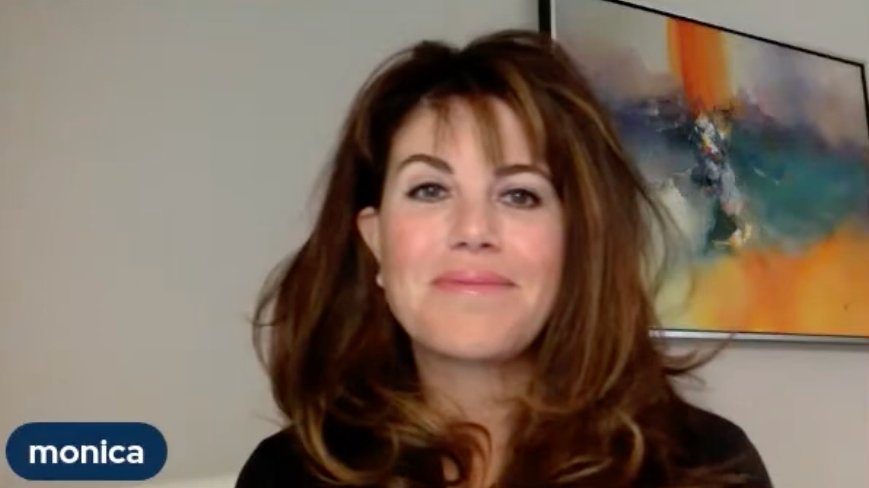
Here's what we did: We built a full-day virtual conference around our first class of winners. Hundreds of winners shared their work. Hundreds more attended live. We brought in keynote conversations from VIP winners — Monica Lewinsky (for her anti-bullying work), Reshma Saujani of Girls Who Code and Moms First, and David Heath, the CEO of Bombas.
The result: What could have been an underwhelming and forgettable Zoom ceremony became a genuine community moment. Thousands of attendees. Attendees became entrants. Entrants became speakers. Speakers became judges. Judges became advocates. Advocates brought in more entries. That first conference set the foundation for what eventually grew to 4,500 entries from 43 countries around the world.
Here's why it worked: The format itself sent a message. A ceremony says "we're celebrating ourselves." A conference says "we're building something together." By choosing the conference format, we positioned Anthem not just as an awards show but as a platform — a place where three industries could learn from each other, find partners, and do better work.
Don't default to "how it's usually done." The format is always an opportunity. A conference created value — and turned a pandemic constraint into a community-building advantage.
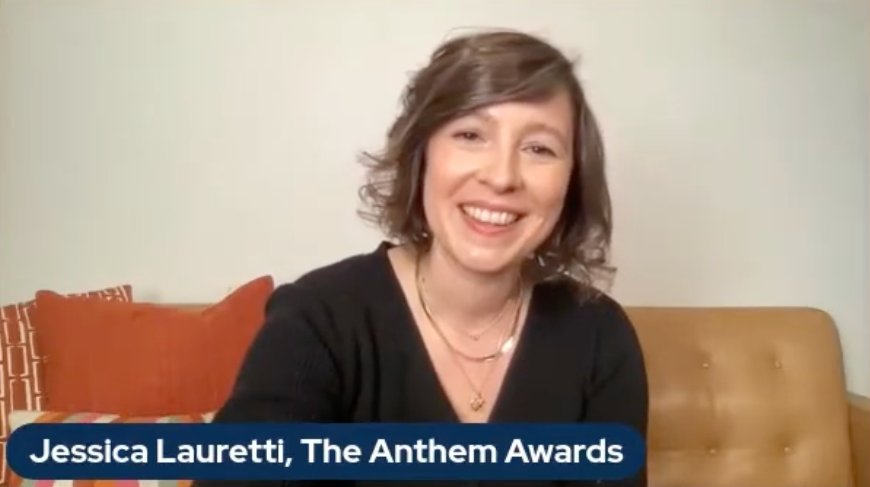
Anthem Voices Conference
Fireside Chat with Monica Lewinsky 2021